
Brain Tumor Classification with DRI-NET
Three CNNs stacked into one ensemble sort MRI scans into 4 classes.
See details about Brain Tumor Classification with DRI-NETA multimodal deep learning model looks at a chest X-ray, finds 14 lung and heart conditions (or no finding), shows why it decided, and writes a short report.
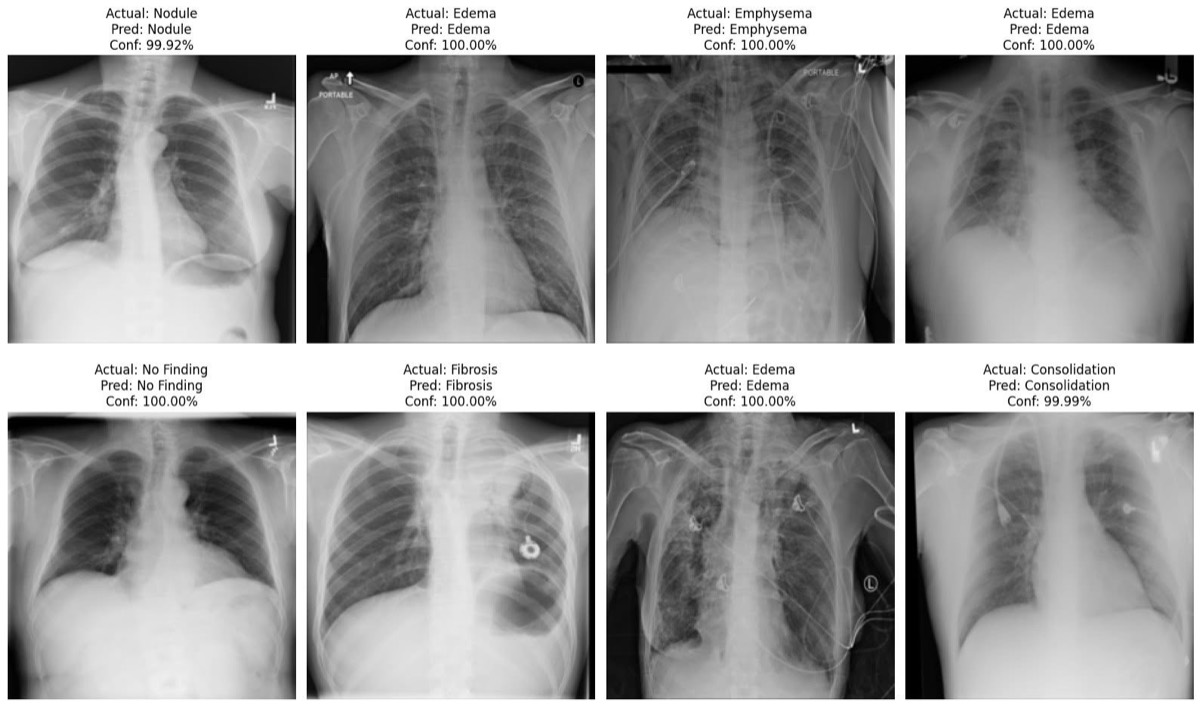
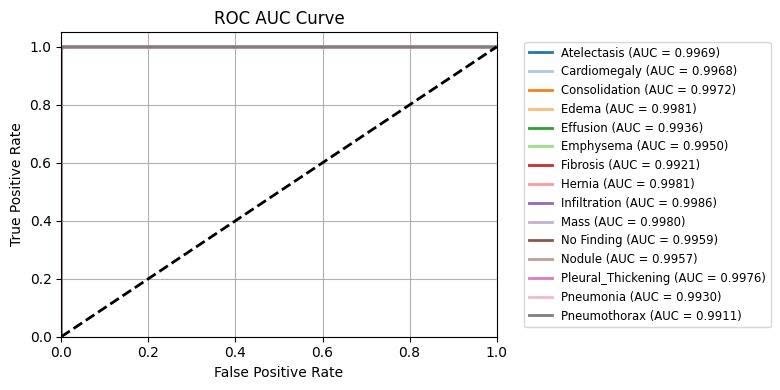
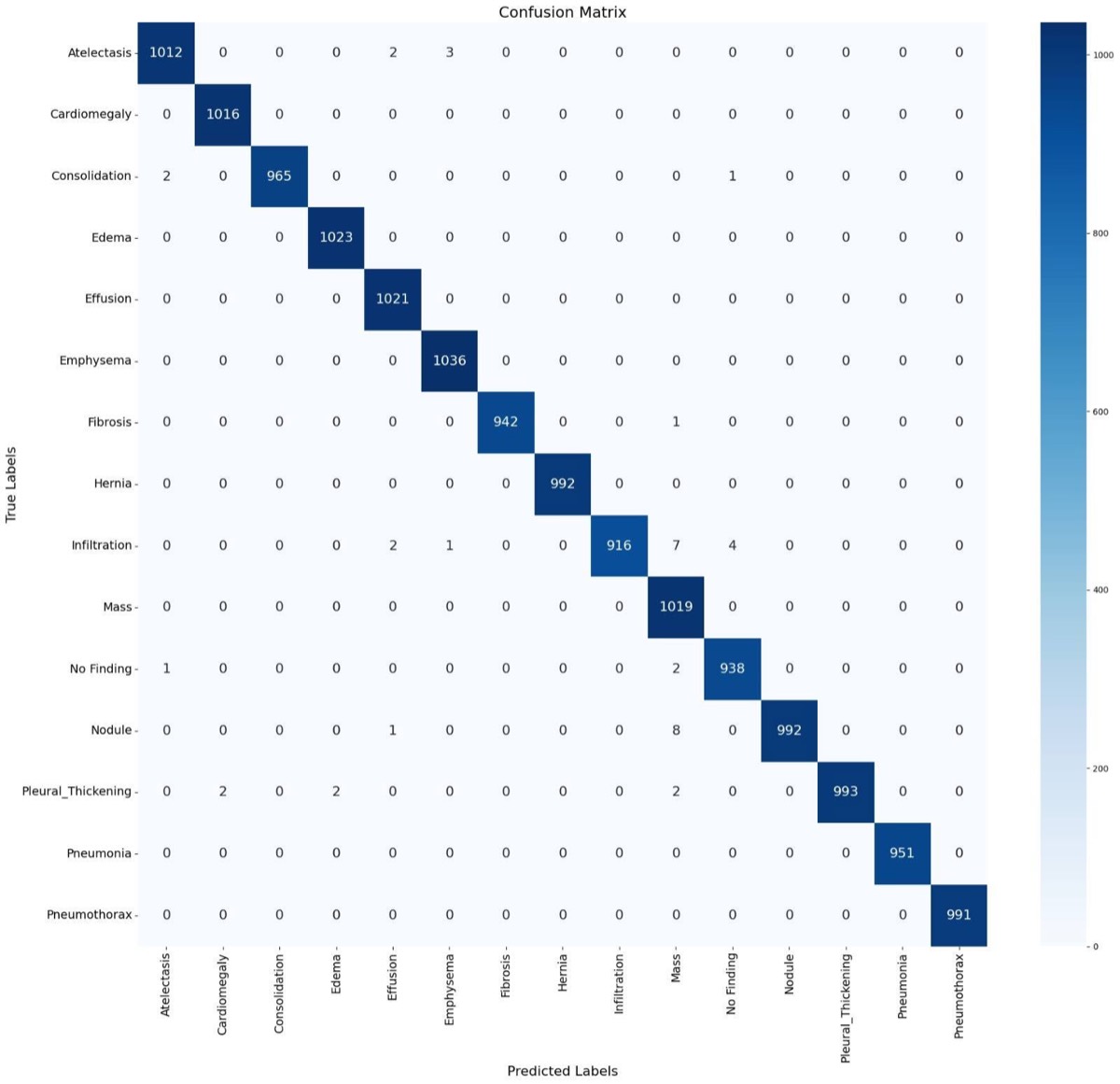
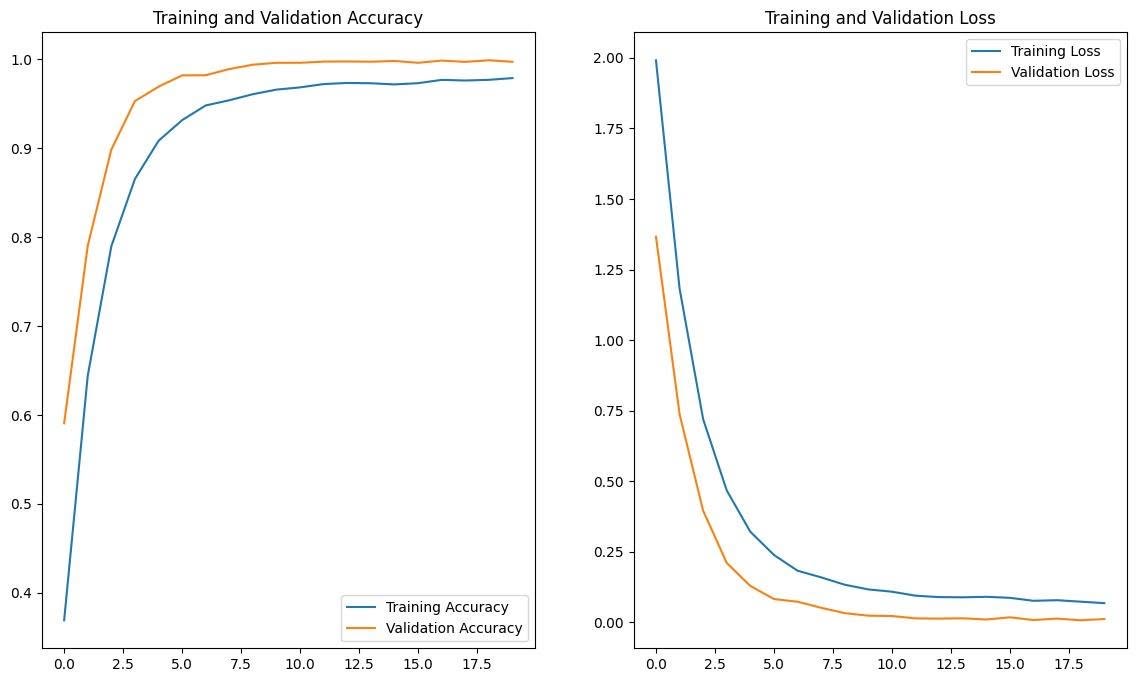
Real screenshots from the delivered work · tap one to see it full size
This thesis builds an AI assistant for chest X-rays. The model sorts each X-ray into one of 15 classes, the 14 conditions of the NIH ChestX-ray14 label set plus "No Finding", such as pneumonia, edema, nodules and an enlarged heart. Explainable AI shows which parts of the image led to the result, and the system turns its findings into a short written report.
On the test set it reached 99.72% accuracy (weighted F1 99.72%, precision 99.73%), and every class scored an ROC-AUC above 0.99. The student received the code, a 54-page LaTeX thesis, presentation slides and a research paper, with AI-detection and plagiarism scores under 20%.
Image and text models work together to detect disease and describe it.
14 chest conditions such as pneumonia, edema and nodules, plus "No Finding".
Highlights the parts of the X-ray behind each result, so doctors can check it.
Turns the findings into a short, readable report.
Accuracy, F1, precision, recall, ROC-AUC per class and a confusion matrix.
54-page LaTeX thesis, slides and paper, under 20% AI and plagiarism.
Tell us your topic and deadline. Get a free plan and quote — usually within 30 minutes.